




If you’re involved in rubber manufacturing or molding, you already know that leftover flash on parts can cause major headaches—from poor aesthetics to sealing failures. That’s where a Rubber Deflashing Machine comes in. Moving beyond slow, inconsistent manual trimming, automated deflashing solutions like cryogenic and spin trim machines are transforming how manufacturers finish rubber parts with speed, precision, and cost savings. In this guide, you’ll discover how these machines work, why they matter for industries demanding tight tolerances, and how to choose the right equipment to boost your production quality and efficiency. Let’s get started!
What Is Rubber Deflashing and Why It Matters
Rubber deflashing is the process of removing excess rubber material—known as flash—that forms along the edges of molded rubber parts during manufacturing. Flash appears when rubber seeps out of the mold cavity during molding, creating unwanted thin layers or burrs on the finished product. This excess rubber is often caused by factors such as mold wear, improper clamping, or uneven mold surfaces.
Leaving this flash untreated can lead to several issues. It affects the part’s fit, surface quality, and performance, causing leaks in seals, compromised durability, and frustrating assembly problems. Untreated flash may also interfere with the function of precision rubber components, leading to costly product failures or customer complaints.
In industries where precision matters—such as automotive, aerospace, medical devices, and electronics—deflashing plays a critical role. Removing flash ensures consistent quality, tight tolerances, and reliable performance of rubber parts like O-rings, gaskets, and seals. That’s why investing in effective rubber deflashing machines is crucial for maintaining product integrity and meeting strict industry standards.
Traditional vs. Modern Deflashing Methods
When it comes to rubber deflashing, methods have evolved a lot. Here’s a quick look at how traditional ways compare to modern techniques like the automatic rubber deflashing machine.
Manual Trimming Drawbacks
- Slow and labor-intensive: Cutting flash by hand takes time and skilled workers.
- Inconsistent results: Variations between operators can cause uneven rubber flash removal.
- Higher risk of damage: Manual trimming can nick or deform delicate parts.
- Safety concerns: Using knives or blades can lead to workplace injuries.
Mechanical Deflashing Overview
Mechanical methods like spin trim deflashing offer some improvement:
- Faster than manual but still limited by machine size and setup.
- Provides more consistent results but may struggle with complex geometries.
- Typically used for medium-volume runs where manual work is too slow.
Benefits of Automated Rubber Deflashing Machines
Moving to automated machines—especially cryogenic rubber deflashing machines—brings clear benefits:
- High volume capability: Handle large batches without extra labor.
- Uniform quality: Consistent flash removal ensures precision rubber deburring.
- Mold longevity: Gentle on parts and molds, reducing wear over time.
- Safety and environment: Less manual handling reduces injury risk and waste.
| Method | Speed | Consistency | Safety | Suitability |
|---|---|---|---|---|
| Manual Trimming | Slow | Low | Moderate Risk | Low volume, simple parts |
| Mechanical Deflashing | Moderate | Medium | Safer | Medium volume |
| Automated Deflashing Machines | Fast | High | Very Safe | High-volume & complex parts |
Using an automatic rubber deflashing machine is the way to go for precision, productivity, and safety in today’s rubber molding post-processing world.
Types of Rubber Deflashing Machines
When it comes to rubber deflashing machines, there are a few main types to know. Each one fits different needs depending on the parts and production volume.
Cryogenic Deflashing Machines
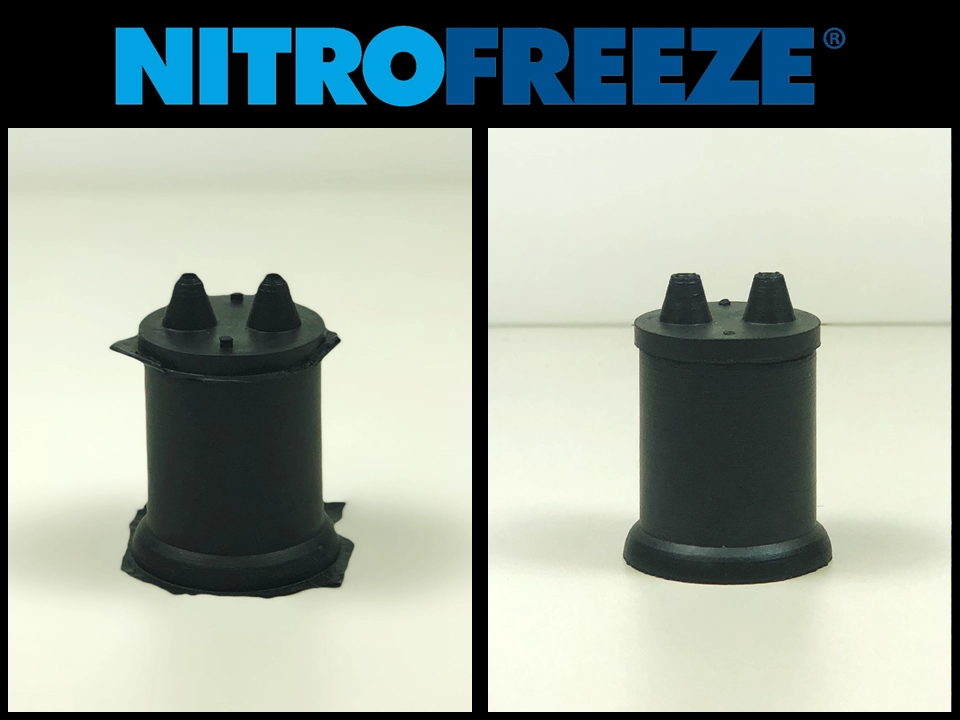
These machines use extremely cold temperatures, often with liquid nitrogen, to freeze the flash on rubber parts. Once frozen, the flash becomes brittle and can be easily removed without damaging the main product. This method is super popular for precision rubber deburring, especially in industries like medical devices or O-ring deflashing equipment where accuracy is key. Cryogenic deflashing offers uniform results and works great for complex shapes.
Spin Trim / Mechanical Deflashing Machines
Mechanical or spin trim machines use high-speed spinning blades, brushes, or media to physically trim away flash from molded rubber parts. They’re faster and more cost-effective than manual trimming but might not be as gentle as cryogenic methods. For high-volume rubber deflashing, these machines provide solid productivity and are often found in automotive gasket deflashing or larger rubber parts finishing operations.
Hybrid and Emerging Technologies
Newer machines combine features from both cryogenic and mechanical types, aiming to get the best of both worlds—precision and speed. These hybrid systems can switch modes depending on the product, offering flexibility for diverse production lines. Some emerging tech includes automated rubber deflashing machines with smart controls and media recycling, supporting safer and greener operations.
Choosing the right rubber deflashing machine depends on part geometry, volume, and quality needs. Whether it’s a cryogenic tumbling machine or a spin trim setup, each has its place in modern rubber molding post-processing.
Key Benefits of Automated Rubber Deflashing Machines
Using an automatic rubber deflashing machine brings clear advantages, especially for businesses in the U.S. that need reliable, fast, and precise rubber parts finishing. Here’s why investing in one makes sense:
| Benefit | What It Means | Why It Matters |
|---|---|---|
| Increased Productivity | Machines run faster than manual work | Boosts throughput for high-volume runs |
| Consistent Quality | Uniform flash removal every time | Ensures precision rubber deburring, reducing rejects |
| Cost Savings | Less labor and fewer reworks | Lowers overall cost and extends mold life by preventing damage |
| Safety Improvements | Reduces worker exposure to sharp flash and chemicals | Protects staff and complies with workplace safety rules |
| Environmental Benefits | Many use recyclable media and liquid nitrogen safely | Supports green manufacturing efforts |
In particular, cryogenic rubber deflashing machines use liquid nitrogen to freeze and remove flash gently, giving top-notch finishing for delicate parts like O-rings or rubber gaskets. These machines reduce waste and improve part performance, key for industries like automotive and medical.
Investing in automated rubber flash removal means you get faster turnaround, better quality, and safer operations — all essential for keeping up with today’s competitive U.S. manufacturing landscape.
How to Choose the Right Rubber Deflashing Machine
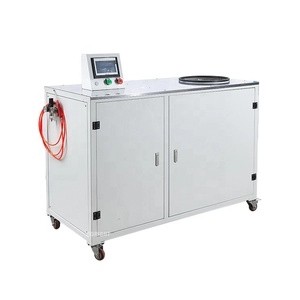
Picking the right rubber deflashing machine depends on a few key factors. Here’s a quick guide to help you decide:
| Factor | What to Consider | Notes |
|---|---|---|
| Production Volume | Small, medium, or high-volume production? | High-volume setups benefit from automated machines for efficiency. |
| Part Geometry | Simple shapes or complex designs? | Complex parts may need precise cryogenic or spin trim deflashing. |
| Cryogenic vs. Non-Cryogenic | Do your parts tolerate cold temperatures? | Cryogenic deflashing is great for delicate or detailed parts; non-cryogenic works well for tougher rubber. |
| Machine Features | Automatic operation, ease of use, media type, safety | Look for machines with good controls, quick cycle times, and safety features. |
| Budget & ROI | Initial cost vs. long-term savings | Automated rubber deflashing machines may cost more upfront but save on labor and improve mold longevity. |
Quick Tips:
- For precision rubber deburring or medical parts, lean toward cryogenic machines for consistent quality.
- If you have high-volume rubber deflashing, an automatic rubber deflashing machine boosts throughput.
- Consider your available workspace and maintenance ease when selecting a model.
Choosing the right rubber deflashing machine means balancing your production needs with cost and part quality. Keeping these points in mind ensures you pick the best fit for your operation.
Xiamen Xingchangjia Non-standard Automation Equipment
Xiamen Xingchangjia stands out with its expertise in custom automation solutions, specializing in rubber deflashing machines tailored for diverse production needs. Whether you’re looking for an automatic rubber deflashing machine or a cryogenic rubber deflashing machine, Xingchangjia offers options designed to boost efficiency and precision.
Their custom-built machines fit well for various industries across the U.S., delivering reliable rubber flash removal and molded rubber trimming performance. Clients have reported notable improvements in throughput and product quality after switching to Xingchangjia’s equipment.
Some highlights include:
- Advanced cryogenic deflashing machines ideal for delicate, precision rubber parts.
- High-volume capable automatic machines that reduce manual labor and cut costs.
- Flexible designs customized for unique part shapes and production scales.
By focusing on quality and innovation, Xingchangjia helps companies stay competitive with consistent, high-quality rubber parts finishing machines suited for modern U.S. manufacturing demands.
Maintenance and Best Practices for Optimal Performance
Keeping your rubber deflashing machine in top shape is key to getting the best results and avoiding downtime. Here’s what to focus on:
Routine Inspections and Media Management
- Check parts regularly: Look over belts, seals, and tumbling media to catch wear before it causes problems.
- Manage media carefully: Whether you’re using cryogenic media like liquid nitrogen or mechanical abrasives, keep them clean and replace when worn out to ensure consistent rubber flash removal.
- Clean the machine: Regularly remove leftover rubber bits from the chamber and filters to prevent buildup that can affect spinning and trimming quality.
Troubleshooting Common Issues
- Inconsistent trimming? Adjust your machine settings or check for uneven media distribution.
- Machine vibration or noise? Tighten any loose components and inspect for damaged parts.
- Cooling problems in cryogenic deflashing machines? Confirm the liquid nitrogen supply is steady and at the right temperature.
Maximizing Lifespan and Output
- Stick to manufacturer-recommended maintenance schedules.
- Train your team to operate machines properly to avoid unnecessary damage.
- Keep spare parts on hand for quick fixes.
- Use trusted automatic rubber deflashing machines and follow best practices for rubber gasket deflashing or O-ring deflashing equipment.
Following these steps ensures your rubber deflashing machine runs smoothly, delivers consistent quality for molded rubber trimming, and lasts longer—saving you money and keeping your production line moving.
Industry Applications and Success Stories
Rubber deflashing machines play a crucial role across several industries here in the U.S., making a real difference in quality and efficiency.
Automotive Seals and Gaskets
Automakers rely heavily on rubber gasket deflashing and molded rubber trimming to ensure tight seals in engines and braking systems. Using automatic rubber deflashing machines, production lines run smoother with faster turnaround times and consistent quality. This means fewer defects and recalls, saving time and money.
Medical and Electronics Precision Parts
In medical devices and electronics, precision is everything. Precision rubber deburring removes flash without damaging delicate parts like O-rings and seals. Many U.S. manufacturers have switched to cryogenic deflashing machines or spin trim deflashing systems to handle intricate geometries, improving product safety and reliability.
Aerospace and Oil & Gas
Industries such as aerospace and oil & gas demand parts that can endure extreme conditions. Removing flash with cryogenic rubber deflashing machines ensures flawless finishes and tight tolerances. This reduces failure risks in critical applications and extends component lifespan.
Real Efficiency Gains
Across all these sectors, companies adopting automated deflashing report significant efficiency improvements:
- Up to 40% faster processing speeds
- Reduced labor costs by minimizing manual trimming
- Consistent, uniform rubber flash removal leading to higher first-pass yield
- Longer mold life thanks to less manual handling and damage
These success stories prove that investing in modern rubber deflashing machines isn’t just smart—it’s essential for staying competitive in America’s fast-paced manufacturing landscape.
Post time: Dec-16-2025