




If your operation involves sorting mixed materials like wood, stone, or plastics, an air power separating machine can be the game-changer you need. These pneumatic systems use targeted airflow to efficiently separate materials by density—without water or chemicals—making them essential for recycling, biomass processing, and construction waste management. In this post, you’ll discover why mastering air power separating machines boosts throughput, cuts costs, and simplifies maintenance, especially with tailored solutions from Xiamen Xingchangjia. Ready to unlock smarter, cleaner material sorting? Let’s dive in.
What Is an Air Power Separating Machine? A Deep Dive into the Technology
An air power separating machine is a type of pneumatic material separator that uses controlled airflow to sort and separate dry bulk materials based on their density, size, and weight. Instead of relying on water or mechanical sieves, these machines leverage precise air currents to lift lighter particles while heavier elements fall, providing an efficient, dry separation process.
Evolution of Air Power Separators
Originally developed as simple air classifiers, these machines have evolved into highly sophisticated, hybrid units. Early models focused mainly on drum-style designs that separated materials by centrifugal force. Today, advancements have introduced stone separators, pneumatic conveyors, and fully automated systems that optimize airflow for improved separation accuracy and energy savings.
Key Types of Air Power Separating Machines
- Drum-style classifiers: Use rotating drums combined with air currents for bulk separation.
- Stone separators: Specialized units designed to remove heavy stones and debris from lighter biomass or recyclables.
- Pneumatic conveyors: Move and separate materials simultaneously using airflow channels.
Xiamen Xingchangjia’s Modular Solutions
Leveraging decades of expertise, Xiamen Xingchangjia offers modular non-standard automation separators tailored for specific industrial needs. Their machines focus on flexibility, allowing customization to varied feed materials and processing volumes. This modular approach supports easy integration into existing plants while delivering reliable, energy-efficient separation performance.
With this clear foundation, we can explore how these machines work, their typical applications, and benefits in the next sections.
How Does an Air Power Separating Machine Work? Step-by-Step Mechanics
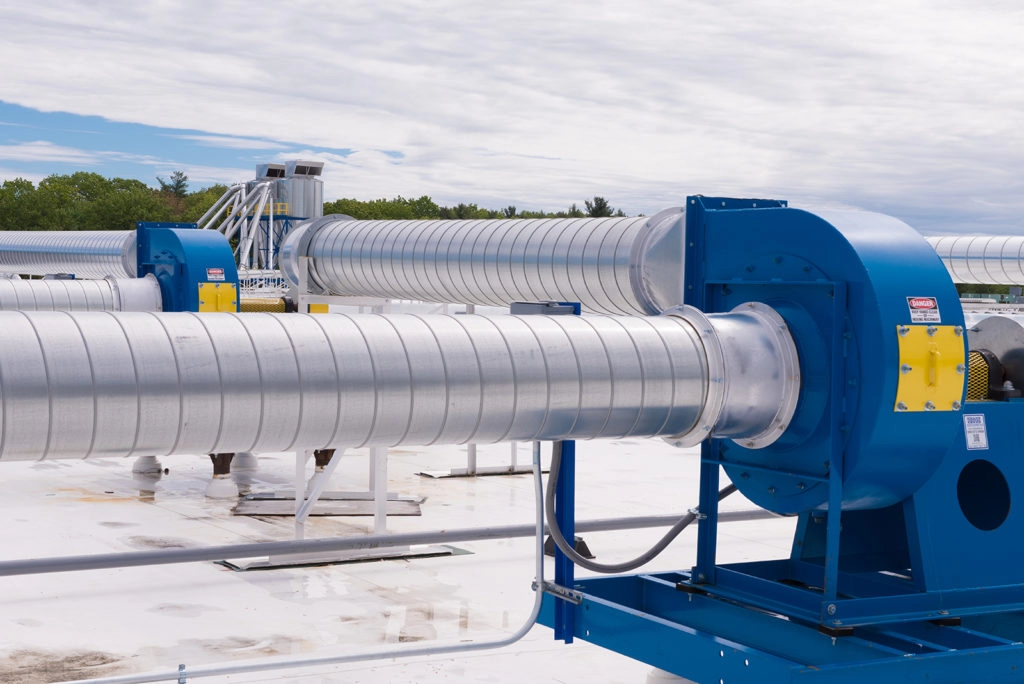
An air power separating machine starts with the feed and preparation stage, where materials are loaded onto a conveyor. The feed rate is adjustable, typically handling 10 to 50 tons per hour, allowing you to match your processing speed to your material type and volume.
Next up is the air flow dynamics. The machine uses pressure blowers to lift and separate lighter materials, while a suction system pulls down heavier fractions. This clever airflow separation is key to efficiently sorting different densities without water or chemicals.
Inside the enclosed separation chamber, about 70% of the air is recirculated, which saves energy and keeps the system running efficiently. This also helps reduce dust and noise during operation.
The sorted materials exit through dual outlets—one for light particles and one for heavy—making collection easy and organized. Plus, advanced models come with PLC automation and safety sensors to monitor operations, adjust airflow automatically, and keep things safe on the floor.
To get the best results, optimizing air velocity based on material density is crucial:
- Lower air speeds for heavy or dense materials to avoid losing them in the light fraction.
- Higher air speeds for lighter, fluffy materials to ensure proper lift and separation.
These simple adjustments can boost sorting accuracy and your overall throughput.
Top Applications: Where Air Power Separators Shine in Industry
Air power separating machines are a go-to in several industries across the U.S. thanks to their versatility and efficiency. Here’s where they really make a difference:
- Recycling: These machines handle construction and demolition (C&D) debris, automotive fluff, and e-waste sorting with precision. By separating materials by density and size, they boost recovery rates and help reduce landfill waste.
- Biomass and Composting: For green waste cleanup and mulch processing, air power separators remove stones, plastics, and other contaminants. This cleanup improves compost quality and makes mulch safer and cleaner for landscaping.
- Manufacturing: In food processing, these separators help pick out unwanted debris and separate different product grades. In mining, they’re used to isolate ores from bulk material streams, speeding up operations and increasing yield.
Case Study: Xiamen Recycler Cuts Processing Times by 25%
One U.S.-based recycler using Xiamen Xingchangjia’s non-standard automation equipment saw a 25% reduction in processing times. By customizing the pneumatic material separator to their specific feedstock, they improved throughput and reduced downtime. This example highlights how investing in tailored air power density separators can bring real production gains.
Whether you’re handling recycling waste, biomass cleanup, or manufacturing bulk materials, air power separating machines deliver efficient, dry separation that fits right into American industry needs.
Key Benefits: Why Invest in Air Power Separating Machines
Air power separating machines bring solid returns and practical advantages for businesses in the U.S. Here’s why they’re a smart buy:
Top Benefits at a Glance
| Benefit | What It Means for You |
|---|---|
| Zero Water Use | Saves water resources and cuts costs. |
| Low Maintenance | Energy-saving motors reduce downtime. |
| Fast ROI (12-18 months) | Quick cost recovery boosts profits. |
| Scalable & Customizable | Modular units fit your exact needs. |
| Eco-Friendly | Dry separation supports green goals. |
Why It Matters
- Water Savings: Using no water makes these machines perfect for dry material separation and meets strict environmental rules.
- Lower Running Costs: Energy-efficient motors cut power bills and extend equipment life.
- Quick Payback: Most companies see return on investment in just 1 to 1.5 years.
- Adaptable Setup: Whether you handle 10 or 50 tons per hour, modular designs let you scale or tailor the system without hassle.
- Greener Operations: Dry separation reduces waste water and emissions, aligning with sustainability initiatives common in U.S. manufacturing and recycling.
Investing in an air power density separator means cutting costs, improving efficiency, and doing your part for the environment—all key for staying competitive in today’s market.
Factors to Consider When Choosing and Buying an Air Power Separating Machine
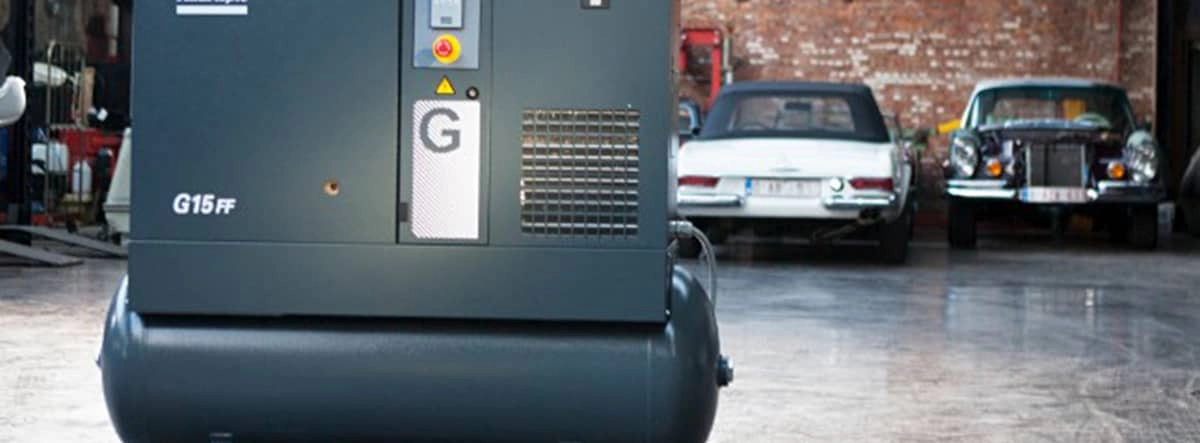
When picking an air power separating machine, start by matching its capacity and specs to your material’s feed size and density range. You want a machine that handles your volume—anywhere from light biomass to heavy construction debris—without causing bottlenecks or wasting energy.
Next, consider whether you want a new or used machine. New units come with the latest features like IoT monitoring and better energy efficiency but at a higher price. Used air power separating machines can save upfront costs, but double-check their condition and warranty options. Always source from reliable dealers who offer consultation to help find the right fit.
Pricing can vary widely depending on capacity and features. Entry-level units suitable for small recycling or compost operations might start at lower costs, while industrial-scale machines with modular, custom options can run significantly higher. Ask suppliers for detailed quotes to understand the total investment, including installation and maintenance.
Finally, supplier reliability matters. Look for companies with proven experience in pneumatic material separator systems, strong after-sales support, and flexible customization. Good suppliers often offer training, parts availability, and ongoing consultation — all crucial for long-term success in your sorting or processing lines.
Xiamen Xingchangjia: Your Partner in Custom Air Power Separation Solutions
When it comes to custom air power separating machines, Xiamen Xingchangjia stands out. They specialize in non-standard automation equipment, crafting ISO-certified solutions tailored to your specific needs. This means their air power density separators and pneumatic classifiers are built to fit unique workflows, not just off-the-shelf units.
One of their strongest suits is integrating IoT monitoring and predictive maintenance tools. This smart tech keeps your recycling air separator or biomass stone remover running smoothly, reducing downtime before issues become costly. Plus, real-time data helps optimize performance and energy use.
Xingchangjia’s client success stories show clear benefits like faster sorting times and reduced operational costs. Their team works closely with customers across recycling, manufacturing, and waste cleanup sectors in the U.S., ensuring you get practical results that improve your bottom line.
Ready to see how a customized air power separating machine can boost your operation? Reach out to Xiamen Xingchangjia for demos and efficiency audits designed around your facility’s needs.
Maintenance Best Practices: Keeping Your Air Power Separating Machine Running Smoothly
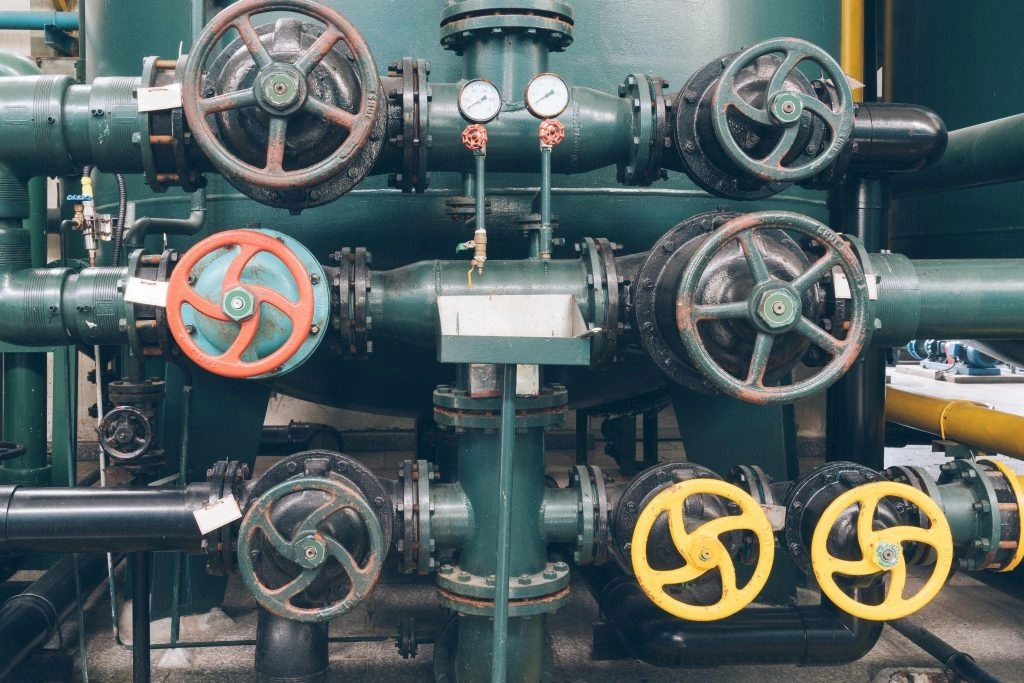
To keep your air power separating machine working at its best, regular maintenance is key. Here’s a simple routine to help avoid downtime and costly repairs:
Daily Checks
- Air filters: Clean or replace them often to keep airflow steady and prevent clogs.
- Belts: Inspect for wear and proper tension. Worn belts can cause misalignment or slippage.
- Diverters and valves: Make sure they move freely and aren’t stuck to keep material flowing correctly.
Troubleshooting Common Issues
- Airflow problems: If you notice reduced separation efficiency, check for air leaks or blockages in ducts and blowers.
- Vibration: Excessive vibration can signal unbalanced parts or loose components—tighten and align as needed.
Long-Term Care
- Schedule regular overhauls to inspect motors, bearings, and blowers for wear.
- Keep a stock of spare parts like filters, belts, and sensors handy to minimize downtime.
- Consider energy-efficient upgrades such as high-efficiency blowers or smart controls to reduce power bills.
Maintenance Resources
- Use available maintenance checklists tailored for pneumatic material separators. These help keep every component inspected regularly and on schedule.
Following these steps will ensure your air power density separator runs reliably, saves energy, and keeps your operation productive without surprises.
Future Trends: Innovations Shaping Air Power Separation
The air power separating machine market is evolving fast, especially here in the U.S. and globally. One big trend is AI-driven airflow optimization. Using artificial intelligence, these machines adjust air pressure and speed in real-time to get the most accurate separation, cutting waste and boosting efficiency.
Another innovation is the move toward hybrid pneumatic-electric systems. These combine traditional air classifiers with electric sorting tech to handle tougher materials and improve precision without adding complexity.
Sustainability is also front and center. More companies want machines that support the circular economy by reducing water use and contamination during recycling or biomass processing. This fits perfectly with U.S. industries aiming for greener operations.
At the same time, the Asia-Pacific market continues leading in advancements and production, influencing pricing and availability for U.S. buyers. Keeping an eye on this helps you stay competitive.
Lastly, R&D in smart sensors and autonomous operation is ramping up. These sensors monitor machine health and material flow, enabling predictive maintenance and less downtime — a big win for keeping your separator running smooth.
Keeping up with these trends means you get better performance, lower costs, and a more sustainable setup from your air power density separator.
Post time: Dec-10-2025