




Revolutionizing Rubber Tube Cutting with Industry 4.0 and IoT Integration
In today’s fast-paced rubber manufacturing world, staying competitive means embracing smarter, data-driven solutions. That’s where Industry 4.0 in the rubber shop comes into play, transforming traditional rubber gasket cutting machines and O-ring tube cutters into intelligent systems. By integrating IoT sensors into tube cutters, we can shift from reactive fixes to proactive maintenance and real-time quality monitoring.
This integration means cutting-edge tools like smart tube cutting machines don’t just cut—they communicate. Sensors track everything from blade wear through vibration monitoring to accurate cut lengths, boosting precision for high-demand applications like automotive and aerospace seals. The result? Less downtime, better product consistency, and data-rich insights that optimize your entire production line.
Embracing IoT predictive maintenance rubber capabilities in tube cutters unlocks a new level of efficiency—helping reduce unexpected breakdowns, extend blade life, and maintain tighter quality control. For rubber shops aiming to lead in precision rubber seal cutting, this smart upgrade isn’t just a trend; it’s a game-changing step toward a truly connected, efficient manufacturing future.
Understanding Industry 4.0 in Rubber Manufacturing
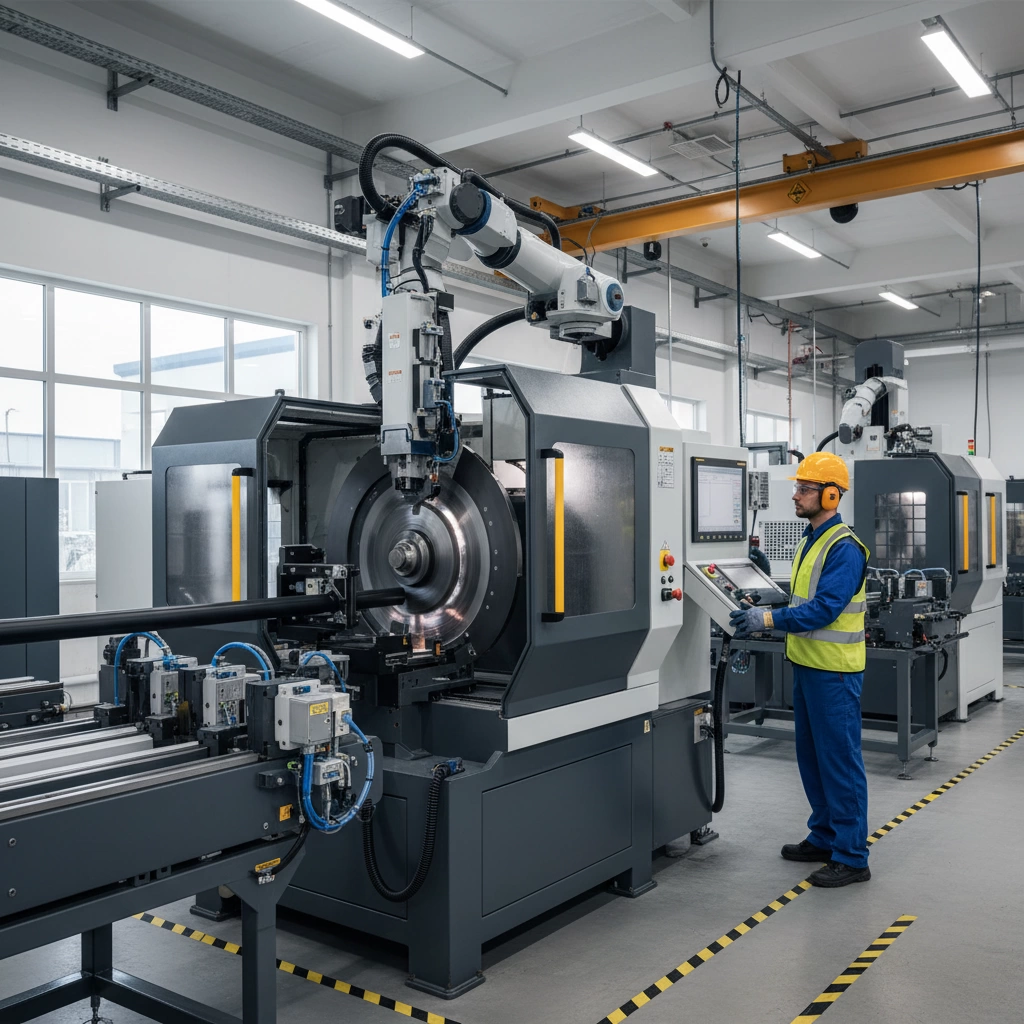
Industry 4.0 in rubber manufacturing is all about connecting machines, collecting data, and using smart automation to run your shop more efficiently. The core pillars include connectivity between devices, powerful data analytics, automated processes, and cyber-physical systems that link the physical machines with digital control.
For rubber shops, this means shifting from fixing problems after they happen to preventing them before they cause downtime. Instead of reactive maintenance, you get real-time insights that help keep your tube cutters and gasket machines running smoothly.
The big driver behind adopting Industry 4.0 is the growing demand for precision O-rings, seals, and gaskets—especially in the automotive, aerospace, and industrial sectors. Customers expect tight tolerances and consistent quality, and smart factories using IoT predictive maintenance and smart tube cutting machines are better equipped to meet those standards.
The Role of Tube Cutters in Rubber Processing
Tube cutters play a crucial role in shaping rubber into the precise O-rings, seals, and gaskets needed across industries like automotive and aerospace. These machines slice rubber tubes and strips into exact lengths and shapes, ensuring consistent fit and function for sealing applications.
Common equipment used includes automated rubber strip cutters, slitter machines, and precision tube cutters designed to handle different rubber types and thicknesses. These smart tube cutting machines help speed up production while aiming for high accuracy.
However, operators often face challenges such as:
- Blade wear: dull blades cause rough cuts and inconsistent dimensions.
- Vibration-induced errors: vibrations during cutting lead to uneven edges or faulty parts.
- Material variability: rubber hardness and thickness differences affect cut quality.
- Quality inconsistencies: these issues can cause rejects and waste in gasket cutting and other processes.
Addressing these pain points is essential to maintain high throughput, reduce scrap, and ensure reliable rubber gasket cutter automation. Integrating IoT sensors into tube cutters can help monitor these factors in real-time, paving the way for smarter, more efficient rubber processing.
Integrating IoT Sensors into Tube Cutters
Bringing Industry 4.0 into your rubber shop starts with adding IoT sensors to your tube cutters. The right sensors can track everything from vibration to temperature and torque, giving you real-time data on blade wear and cutting quality.
Common sensor types include:
- Vibration sensors to catch early blade dulling
- Temperature sensors to monitor motor heat
- Pressure and torque sensors for mechanical load
- Optical sensors to measure cut dimensions and surface quality
You can either retrofit existing cutters with these sensors or choose equipment that comes with built-in IoT readiness. Retrofitting is a cost-effective way for many shops, especially if you’re dealing with non-standard automation equipment that isn’t off-the-shelf.
When selecting hardware, keep these in mind:
- Wireless connectivity to avoid complicated wiring in your production line
- Edge gateways that process data on-site for quick insights
- Compatibility with your current machines and software
For example, installing sensors to monitor blade speed, motor load, and cut measurements in real-time lets you spot issues before they cause downtime or scrap. This smart tube cutting machine setup helps you move from reactive fixes to proactive care, optimizing blade life and cut precision.
Integrating IoT for predictive maintenance rubber operations boosts uptime and quality without overhauling your entire setup.
Enabling Predictive Maintenance with IoT Data
IoT sensors in rubber tube cutters catch early signs of trouble before they turn into big problems. For example, abnormal vibrations can signal blade dulling or motor issues well ahead of failure. This early detection helps avoid unexpected breakdowns and keeps operations smooth.
Here’s how the data flows and adds value:
| Step | Description |
|---|---|
| Data Capture | Sensors track vibration, temperature, torque, and more in real-time. |
| Data Transmission | Info sends wirelessly to edge devices or cloud platforms. |
| Analytics | Advanced software spots anomalies and predicts issues using AI. |
| Alerts & Actions | Automated alerts pop up on CMMS or ERP to schedule maintenance ASAP. |
Main Benefits:
- Downtime cut by up to 50% – less unplanned stops mean better uptime.
- Longer equipment life – fixing issues early means less wear and tear.
- Optimized maintenance – no more guessing when to replace blades or parts.
Integrating predictive maintenance with your existing CMMS or ERP system means you get smart alerts right where your team works. This streamlines repairs, reduces costs, and improves reliability—a real game-changer for any rubber shop aiming to boost efficiency with Industry 4.0.
By using IoT for predictive maintenance, we shift from reactive fixes to proactive care, keeping your tube cutters running at top precision for O-rings, seals, and gaskets.
Quality Data Logging for Consistent Production
Keeping production consistent is a major win for any rubber shop, especially when dealing with precision parts like O-rings and gaskets. Integrating IoT sensors into your tube cutters lets you log critical data in real time, such as:
- Cut length accuracy
- Surface finish quality
- Material thickness
- Defect rates
This real-time quality control cutting helps you spot issues as they happen.
With IoT-driven traceability, you get batch-level data that’s essential for meeting compliance standards and fine-tuning your processes. This detailed data logging supports smarter decisions, ensuring every run stays within spec.
Advanced features powered by AI can predict defects before they become a problem. These smart tube cutting machines can even make automatic adjustments, reducing scrap and downtime.
In high-volume rubber gasket cutting and O-ring tube cutting, this means better yield and less wasted material—helping your rubber shop cut costs and stay competitive in the US market.
Implementation Steps for Your Rubber Shop
Getting started with IoT predictive maintenance rubber solutions and smart tube cutting machines doesn’t have to be overwhelming. Here’s a straightforward plan to integrate sensors into your rubber gasket cutter automation smoothly:
1. Assess Your Current Tube Cutters
- Check all existing tube cutters and rubber slitter machines for retrofit potential.
- Spot where sensors like vibration monitoring blade wear or torque sensors can be added without major machine changes.
- Identify pain points like frequent blade dulling or inconsistent cuts to target with data analytics rubber manufacturing.
2. Choose Sensors and Platforms Wisely
- Look for cost-effective, reliable O-ring tube cutter sensors suited for SMEs.
- Prioritize wireless or easy-to-install sensors that play well with your current automation setup.
- Select platforms offering real-time quality control cutting and condition monitoring tube cutters.
3. Plan Installation and Calibration
- Schedule sensor installation during low production times or planned maintenance to avoid downtime reduction rubber shop impact.
- Calibrate sensors precisely to track blade life optimization sensors and cutting accuracy.
- Test data flow to your smart factory gasket production system or analytics platform.
4. Ensure Data Security and Scalability
- Implement cybersecurity measures tailored for industrial settings to protect sensitive production info.
- Choose scalable solutions that grow with your rubber gasket cutting machine needs.
- Secure wireless connections and set user access controls to keep data safe.
5. Train Your Staff
- Teach your maintenance and production team how to interpret IoT data and act on predictive alerts.
- Promote smart maintenance practices to extend equipment life and avoid unexpected failures.
- Encourage feedback to fine-tune your new smart tube cutting machines setup.
By following these steps, your rubber shop will stay ahead in Industry 4.0 rubber processing with improved uptime, better product quality, and smarter maintenance routines.
Real-World Benefits and ROI of IoT Predictive Maintenance in Rubber Shops
Integrating IoT sensors in tube cutters for predictive maintenance and quality data logging is more than just a tech upgrade—it pays off in real numbers for U.S. rubber shops.
Key Gains You Can Expect
| Benefit | Impact |
|---|---|
| Lower Maintenance Costs | Detect blade wear early to avoid costly breakdowns |
| Higher Uptime | Reduce downtime by up to 50%, keeping production on track |
| Improved Product Quality | Real-time data ensures precision cutting, reducing scrap and defects |
| Optimized Maintenance | Schedule repairs only when needed, saving labor and parts |
Real-World Success Stories
Several rubber manufacturers in the U.S. have upgraded their rubber gasket cutters and O-ring tube cutting lines with IoT-enabled sensors. They report:
- Up to 40% longer blade life thanks to vibration monitoring and torque sensors
- Better traceability and batch-level quality control using real-time logging
- Smoother production flow with automatic alerts through CMMS integration
Long-Term Competitive Edge
By moving to smart, IoT-integrated tube cutter automation, rubber shops position themselves for:
- Leading the market in precision rubber seal cutting
- Meeting strict quality demands from industries like automotive and aerospace
- Cutting costs while improving yield and customer satisfaction
Investing in smart tube cutting machines powered by IoT isn’t just tech hype—it’s a practical step to boost your rubber shop’s efficiency, product quality, and bottom line.
Solutions from Xiamen Xingchangjia Non-standard Automation Equipment
Xiamen Xingchangjia (XCJ) offers custom automation solutions designed specifically for rubber gasket cutting, O-ring tube cutting, and other precision rubber processing needs. Their non-standard automation equipment fits perfectly in shops looking to upgrade tube cutters with Industry 4.0 capabilities.
XCJ machines are built IoT-ready, making it easy to integrate vibration monitoring, blade wear sensors, and real-time quality control systems. This supports predictive maintenance by tracking blade life, motor load, and cutting accuracy, helping reduce downtime and extend equipment lifespan.
They also provide tailored integration services to retrofit existing tube cutters or deliver new automated rubber gasket cutter systems. Whether you need smart factory solutions for data analytics or condition monitoring on your rubber slitter IoT setup, XCJ ensures seamless connectivity and reliable data logging for consistent production.
In short, Xiamen Xingchangjia helps rubber shops in the US modernize cutting processes with smart tube cutting machines that boost precision, cut maintenance costs, and provide valuable insights through IoT-driven quality data logging.
Post time: Jan-06-2026